
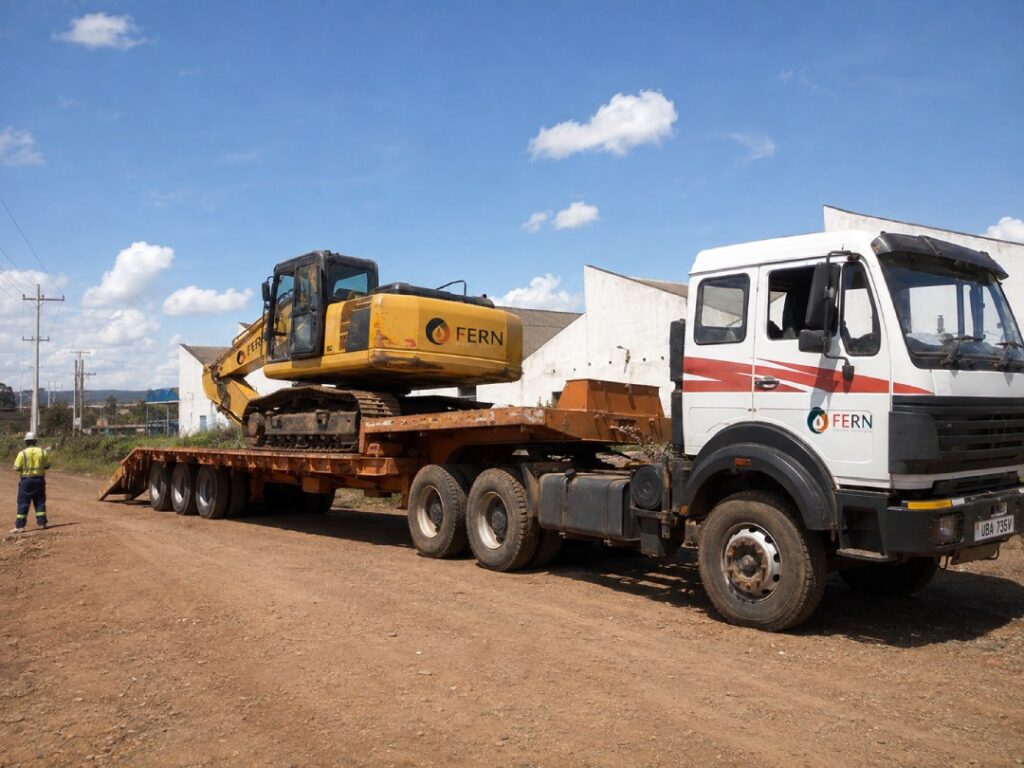
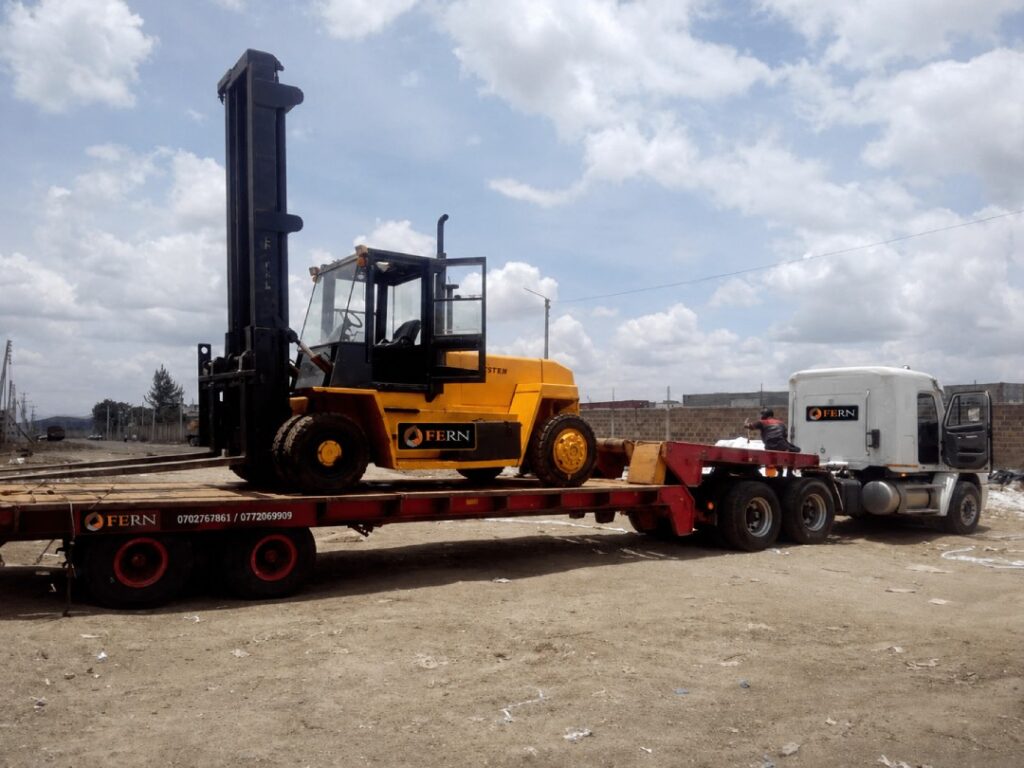
We are your reliable, trusted and professional company when it comes to Heavy Machinery Transportation in Uganda
Moving heavy machinery requires more than a truck and a destination. Excavators, bulldozers, motor graders, wheel loaders, cranes and other construction equipment need suitable transport, careful loading, securement and a route that accommodates their dimensions and weight.
At Fern Engineering & Supplies, we help clients plan heavy machinery transportation in Uganda around the equipment being moved, the collection and delivery locations, site access and transport requirements.
Whether you are relocating equipment to a new construction site, moving machinery between projects or arranging delivery after purchase, the objective is to make the movement safe, organized and efficient.
From selecting a suitable low-bed trailer to coordinating loading, permits where applicable, route planning and offloading, each stage needs attention before the equipment leaves its current location.
Different machines have different transport requirements. An excavator may need a low-bed trailer with adequate capacity and clearance, while a large motor grader or bulldozer may require a different trailer configuration depending on its dimensions and weight.
Our transportation planning focuses on matching the equipment to a suitable transport arrangement and coordinating the steps required for collection and delivery.
Low-bed trailers and low loaders are commonly used to transport construction machinery because their lower deck can help accommodate tall equipment and reduce overall transport height.
The appropriate trailer depends on the machine’s operating weight, transport dimensions, ground clearance, loading method and axle requirements.
Before arranging a low-bed movement, the equipment should be assessed to establish its dimensions, weight and loading requirements. The route must also be checked for relevant height, width, weight and access restrictions.
For particularly heavy or oversized equipment, specialized multi-axle or other suitable trailer configurations may be necessary, subject to availability and the transport assessment.
Construction projects often require equipment to move from one site to another as work progresses. Poorly coordinated relocation can delay mobilization, interrupt work schedules and leave equipment waiting at the wrong location.
Fern can help coordinate machinery relocation between project sites, equipment yards and other agreed destinations. Planning should account for collection readiness, loading access, transport scheduling, delivery arrangements and the receiving site’s ability to accommodate the machine.
The goal is to help contractors and equipment owners organize relocation around their project schedules.
Mobilization is the process of arranging equipment movement to a project site so that work can begin. Demobilization involves moving equipment away when the work is complete or when it is required elsewhere.
These movements should be planned as part of the wider project schedule. Before mobilization, the transport team needs to understand when the equipment will be ready, where it will be delivered and whether the site can receive the trailer and machinery safely.
For demobilization, the team should confirm when the machine can be released, whether it can be loaded safely and where it will be taken next.
Planning both stages early can help reduce waiting time and avoid unnecessary transport arrangements.
Loading and offloading are critical stages of heavy equipment transportation. The loading method depends on the machinery type, its condition, the trailer configuration, the site layout and the equipment available for the operation.
Before loading, the responsible team should inspect the loading area, establish a safe exclusion zone and confirm that the ramp, ground and trailer can support the operation. The machine must be positioned and secured according to the relevant equipment and transport requirements.
If a crane or other lifting equipment is required, its capacity and suitability must be assessed separately. Loading should be supervised by competent personnel, and the transport vehicle should not depart until the load has been secured and checked.
At delivery, the receiving site must have sufficient access and a suitable area for safe unloading.
Excavators: Excavators may need transportation between construction sites, quarries, infrastructure projects and equipment yards. Planning should consider boom and arm positioning, bucket configuration, overall height, machine weight and safe loading access.
Bulldozers: Bulldozers require a suitable trailer and securement arrangement based on their weight, track configuration, blade dimensions and overall transport profile.
Motor Graders: Their long frames, blades and projecting components can affect the transport width and length. Route assessment and appropriate positioning are particularly important.
Wheel Loaders and Backhoe Loaders: Trailer selection should account for machine weight, bucket position, attachments, axle loading and available loading space.
Mobile Cranes and Specialized Equipment: Crane transport requirements vary with the model, configuration and permitted road dimensions. Some movements may require specialized trailers, route restrictions or additional approvals.
Generators, Transformers and Industrial Equipment: Heavy industrial units may require flatbeds, low loaders or specialized transport arrangements, depending on their dimensions, center of gravity, lifting points and handling requirements.
Equipment availability, trailer configurations and transport capacity must be confirmed with Fern before a quotation or booking is accepted.
A suitable trailer alone does not guarantee that a machine can travel along a proposed route. Heavy machinery transportation may involve restrictions arising from vehicle dimensions, axle loads, road conditions, bridges, overhead structures and access to the destination.
Route planning should consider the entire journey, including narrow roads, turning space, construction access roads, low-clearance structures and any restrictions on the intended route.
Where a load exceeds applicable legal limits or requires special movement arrangements, the relevant authorities may require permits or approvals.
The requirements depend on the actual load, vehicle configuration, route and current regulations. These should be established before the journey begins.
Depending on the movement, additional coordination may be needed for traffic management, escort vehicles or other safety measures.
Such requirements should be verified with the relevant authorities rather than assumed to apply to every transport job.
Fern can discuss these requirements with you during the planning stage and confirm which arrangements it can coordinate for your specific movement.
We coordinate the relocation of heavy construction equipment between project sites, machinery yards and other destinations across Uganda. Whether you need to move an excavator, bulldozer, motor grader or wheel loader, transportation arrangements are planned around the machine's dimensions, weight, site access and delivery requirements. Proper coordination helps reduce unnecessary delays and ensures your equipment is positioned where it is needed for the next phase of work.
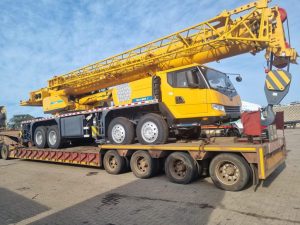
We help coordinate transportation for heavy or oversized equipment that requires specialized trailers and additional journey planning. Each movement should consider the load's weight, height, width, length and ground clearance, alongside road conditions, bridge restrictions and available access. Where required, applicable permits, authority approvals and escort arrangements should be coordinated before dispatch. This helps prepare your machinery for a more organized journey to its intended destination.
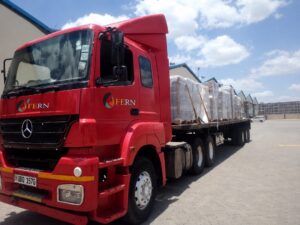
We coordinate suitable transportation arrangements for industrial equipment such as generators, transformers and other heavy machinery used in factories, commercial facilities and infrastructure projects. Transport planning considers equipment weight, dimensions, lifting points, handling requirements and access to the delivery site. Where specialized lifting or offloading is necessary, the appropriate arrangements can be discussed in advance to help protect valuable equipment and support an efficient delivery process.
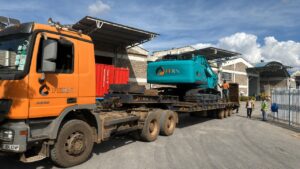
We coordinate machinery delivery around your construction schedule, site readiness and operational requirements. Whether equipment is needed for roadworks, excavation, land development or an industrial project, planning takes into account the pickup location, destination, preferred delivery date and access conditions. By discussing these details in advance, we help you organize equipment movements, prepare the receiving site and reduce avoidable interruptions to your project timeline.
How much does heavy machinery transportation cost in Uganda?
The cost depends on the machine’s weight and dimensions, collection and delivery locations, distance, trailer requirements, loading and offloading, permits and any escort arrangements. Contact Fern with your equipment details and route to request a quotation.
Which machines can be transported on a low-bed trailer?
Low-bed trailers are commonly used for excavators, bulldozers, motor graders, wheel loaders and other construction equipment. The correct trailer depends on the machine’s weight, dimensions, ground clearance, axle loads and applicable road restrictions. Not every machine can be carried on the same trailer.
Do I need a permit to transport heavy machinery in Uganda?
A permit may be required when a vehicle or load exceeds applicable legal dimensions, weight limits or other movement restrictions. Requirements depend on the specific transport arrangement and route. Confirm the applicable requirements with the relevant authorities before moving the equipment.
Are escort vehicles required for oversized machinery?
Escort requirements depend on the load, dimensions, route, permit conditions and applicable regulations. Not every heavy machinery movement requires an escort. The need for escort vehicles should be established during the transport assessment.
Can heavy machinery be transported between different districts in Uganda?
Transport between districts can be arranged subject to the availability of suitable transport, route suitability, applicable permits and the condition of the collection and delivery sites. Provide both locations so the movement can be assessed.
What information should I provide when requesting a quotation?
Provide the machine type, make and model if available, estimated weight, transport dimensions, collection and delivery locations, preferred dates and any special loading or offloading requirements. Photographs and equipment specifications are useful where available.
Can you arrange loading and offloading?
Loading and offloading requirements depend on the machine, site conditions and equipment needed. These arrangements should be discussed and confirmed with Fern before the transport booking, including whether suitable ramps, lifting equipment or other resources are available.
How far in advance should I book machinery transportation?
Book as early as possible, especially for oversized or unusually heavy loads that may require specialised trailers, route assessments, permits or escorts. The required lead time depends on the complexity of the movement and the availability of equipment and approvals.
Schedule a free consultation with our team and let’s make things happen!